
🌿 Balcony & Small-Space Gardening
Transform your limited space into a thriving wellness sanctuary
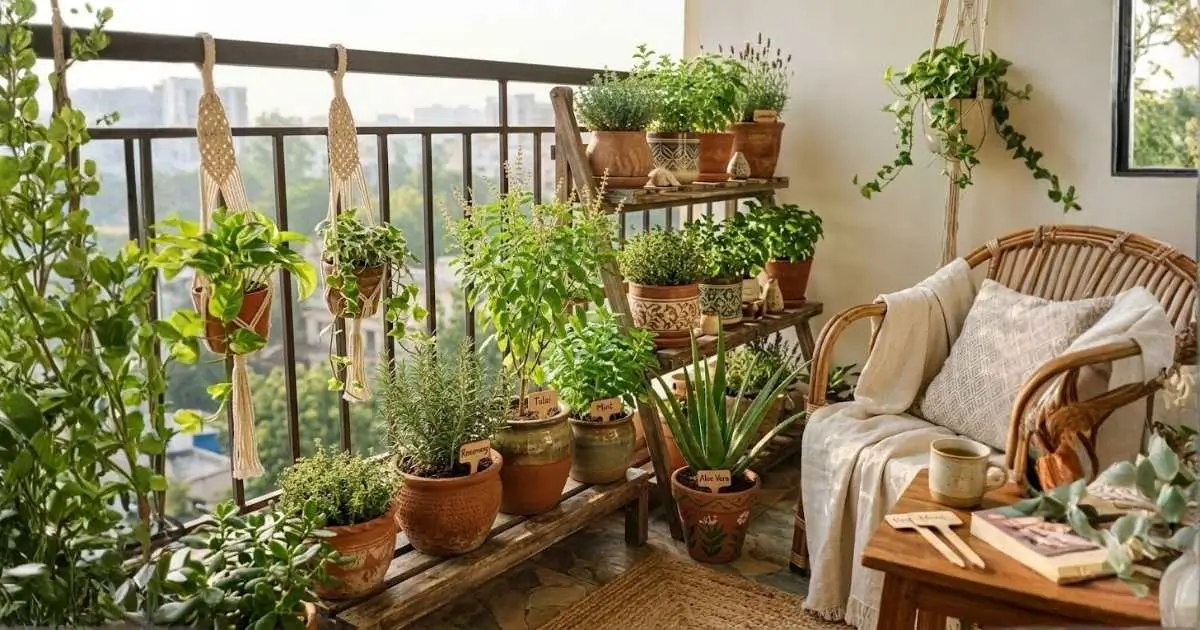
No backyard? No problem. When it comes to small-space gardening, the most meaningful wellness gardens aren’t measured by square footage—they’re measured by intention, care, and daily connection. Whether you have a tiny balcony, a sunny windowsill, or a modest terrace corner, you have everything you need to cultivate plants that support your wellbeing.
Quick Navigation
- Why Small Spaces Are Perfect for Wellness Gardening
- Finding the Perfect Spot in Your Space
- Container Selection Made Simple
- Best Plants for Balconies & Small Areas
- Mastering Watering in Containers
- Managing Environmental Challenges
- Keep It Simple, Keep It Sustainable
- Harvesting Wisely from Small Gardens
- Safety Considerations in Close Quarters
- Why Small-Space Gardening Supports Wellness
Why Small Spaces Are Actually Perfect for Wellness Gardening
Wellness gardening isn’t about growing the most plants—it’s about growing the right plants with mindful attention. Small spaces naturally encourage exactly what wellness requires:
The Small-Space Advantage
Quality over quantity: Fewer plants mean each one receives proper care and observation.
Sustainable practices: Limited space prevents overwhelm and helps you build consistent routines.
Deep connection: You’ll develop genuine familiarity with each plant’s needs and rhythms.
Beginner-friendly: Starting small reduces mistakes and builds confidence naturally.
For beginners especially, constraints become gifts. Your small garden teaches patience, observation, and the art of doing less—but doing it well.
Finding the Perfect Spot in Your Space
Success in small-space gardening begins with thoughtful placement. Your plants need three essentials:
4–6 hours of sunlight (direct or bright indirect)
Good air circulation to prevent moisture buildup
Protection from extremes (heavy rain, harsh winds, scorching afternoon sun)
Ideal Small-Space Locations
Balconies with morning or filtered light • Sunny windowsills facing east or west • Protected terrace corners • Staircase landings with natural light • Covered patio areas
Remember: even partial sunlight supports many medicinal and wellness plants. Don’t let “imperfect” conditions stop you from starting.
Container Selection Made Simple
In limited spaces, your containers become the foundation. Here’s what matters most:
Essential Container Guidelines
Drainage is non-negotiable: Every pot needs holes at the bottom to prevent root rot.
Size matters: Choose medium-sized containers (8-12 inches) for most herbs and wellness plants—too small dries out fast, too large overwhelms the space.
One plant, one home: Avoid crowding multiple plants in single pots; they compete for nutrients and light.
Maximizing Vertical Space
Once you’ve mastered basic container gardening, explore vertical options: wall-mounted planters, hanging pots, or tiered shelving. But start simple first—master the fundamentals before adding complexity.
Best Plants for Balconies & Small Areas
The most successful small-space plants share key traits: they stay naturally compact, respond well to regular harvesting, and don’t demand deep root systems.
🌱 Mint
🌵 Aloe Vera
🍃 Lemongrass
🫚 Ginger
🌿 Basil
🌸 Lavender
🌿 Rosemary
🌿 Oregano
🌿 Thyme
🌱 Coriander
🌿 Curry Leaves
These plants adapt beautifully to container life and actually thrive with the kind of regular attention small spaces naturally provide. They forgive beginner mistakes while rewarding consistent care.
Mastering Watering in Containers
Container plants dry out faster than ground-planted ones, but overwatering remains the number one killer of balcony gardens.
Check first: Always test soil moisture with your finger before watering—top inch should be dry.
Water deeply: Pour slowly until you see excess draining from the bottom.
Remove standing water: Empty saucers and trays to prevent root rot.
Adjust seasonally: Plants need more water in summer, less in cooler months.
The golden rule: when in doubt, wait another day. Underwatering is easier to fix than overwatering.
Managing Environmental Challenges
Small spaces can amplify environmental stress. Concrete walls radiate heat, wind tunnels dry plants quickly, and reflective surfaces intensify sunlight.
Watch For These Stress Signs
Scorched leaf edges from afternoon sun • Wilting despite moist soil (wind damage) • Yellowing from excessive heat reflection
Simple Solutions
Relocate during extremes: Move pots to shadier spots on brutally hot days.
Create microclimates: Group plants together for mutual protection and humidity.
Use temporary shade: Shade cloths or lightweight fabric provide relief without permanent installation.
Observation is your best tool. Plants will tell you what they need if you pay attention.
Keep It Simple, Keep It Sustainable
The biggest mistake beginners make in small-space gardening? Overcomplicating everything. Wellness gardening thrives on simplicity.
Focus On These Fundamentals
✓ Healthy, well-draining soil
✓ Consistent, appropriate watering
✓ Gentle, occasional nutrition
✓ Regular observation and adjustment
Avoid These Common Pitfalls
Starting with too many plants at once • Constantly switching fertilizers • Copying complex setups from social media • Neglecting to observe your specific conditions
Simple routines sustained over time always outperform complicated systems that burn you out.
Harvesting Wisely from Small Gardens
Small gardens excel at providing regular, modest harvests. This approach keeps plants healthy and productive for months.
Harvest little, often: Take small amounts regularly rather than large quantities at once.
Never strip plants: Leave at least 2/3 of the foliage for continued growth.
Allow recovery time: Give plants rest between harvests—usually 1-2 weeks.
Harvest in morning: Essential oils and beneficial compounds peak after night recovery.
Gentle, patient harvesting creates sustainable abundance rather than one-time depletion. If you want to make that abundance last, explore our guide on preserving herbs effectively.
Safety Considerations in Close Quarters
When plants live near your daily activities, responsible practices matter even more.
Essential Safety Practices
Pet and child safety: Keep potentially harmful plants out of reach; not all wellness plants are safe for consumption by everyone.
Avoid harsh chemicals: Skip strong pesticides or fertilizers in enclosed spaces.
Wash everything: Thoroughly rinse all harvested material before use, even from organic gardens.
Label clearly: Mark each plant to prevent confusion and accidental misuse.
Confined environments require heightened awareness. What works in a large garden may need modification for balcony safety.
Why Small-Space Gardening Perfectly Supports Wellness
The intimate scale of balcony gardening naturally aligns with wellness principles:
Consistency becomes effortless: Quick daily check-ins replace overwhelming weekend marathons.
Familiarity deepens: You’ll truly know your plants—their moods, needs, and rhythms.
Self-reliance grows: Even modest harvests reduce dependence on external products.
Integration feels natural: Your garden becomes part of daily life, not a separate project.
This is wellness gardening at its finest: practical, sustainable, and woven seamlessly into your everyday routine.
Frequently Asked Questions
What are the best medicinal plants for a small balcony?
The best plants for small balconies include naturally compact herbs like Tulsi (Holy Basil), Mint, Aloe Vera, Lemongrass, Lavender, and Rosemary. These adapt well to container life and respond beautifully to regular harvesting.
How often should I water container plants on a balcony?
Container plants dry out faster than ground-planted ones. Always test the soil moisture with your finger first—water deeply only when the top inch of soil feels dry, and be sure to empty saucers to prevent root rot.
Do I need full sun for a small-space wellness garden?
While 4 to 6 hours of direct or bright indirect sunlight is ideal, many medicinal plants and herbs can thrive in partial sunlight. Balconies with morning or filtered light, or east/west-facing windowsills, are excellent locations.
🌱 Ready to Start Your Wellness Garden?
Once you’re comfortable with the basics of small-space gardening, you’ll be ready to explore safe fertilization techniques, common mistakes to avoid, and how different practices affect plant quality and wellness properties.
These advanced topics—along with more small-space gardening inspiration—are covered in our comprehensive safety and authority section on natural living and home wellness.
Explore Advanced Gardening Tips →