
Medicinal Plants & Everyday Wellness
Explore how medicinal herbs have been used traditionally for everyday health support, what they can realistically do, and why more people are growing their own backyard pharmacy.
What Are Medicinal Plants?

Medicinal plants are simply plants that contain compounds people have traditionally used to support health and wellness. They've been part of human healthcare for thousands of years, and many modern pharmaceuticals are derived from or inspired by plant compounds.
These plants work through their natural chemistry—essential oils, alkaloids, flavonoids, tannins, and other active constituents that interact with the body in gentle but meaningful ways.
Important to understand: Medicinal herbs are not replacements for medical treatment. They're complementary tools that people use alongside (not instead of) proper healthcare. They can support wellness, but they don't cure diseases.
How People Use Them
Medicinal plants are prepared in various ways depending on the plant and intended use:
- Teas (Infusions): Steeping leaves and flowers in hot water
- Decoctions: Simmering roots, bark, and seeds
- Tinctures: Alcohol or glycerin extractions for concentrated doses
- Salves & Balms: Herbal oils infused into healing ointments
- Poultices: Fresh or dried herbs applied directly to skin
- Capsules: Powdered dried herbs in convenient form
Why Grow Your Own Medicinal Herbs?

Freshness Equals Potency
Dried herbs from the store can sit on shelves for months or years, losing essential oils and active compounds. When you harvest from your garden at the optimal time, you're getting maximum medicinal potency. Fresh chamomile tea from your backyard tastes and works noticeably better than year-old tea bags.
You Know Exactly What's In It
No pesticides, no irradiation, no mystery additives. When you grow your own, you control the soil, the water, and everything that goes into your plants. This matters especially for herbs you're consuming for health.
Cost Savings
The average American spends $1,742 per year on prescription and over-the-counter medications. A packet of chamomile seeds costs $3 and produces hundreds of cups of tea. One calendula plant makes enough salve for the whole year. The Medicinal Garden Kit, with 10 essential herbs, is a one-time investment of $59 that produces medicine for years.
Always Available
Your backyard becomes your pharmacy. Need chamomile for a stomach upset at 10 PM? It's there. Lavender for stress relief? Walk outside and pick it. This accessibility matters especially during supply chain disruptions or when pharmacies are closed.
Self-Reliance and Skill Building
Growing medicinal herbs connects you to ancestral knowledge while building modern self-reliance. You develop practical skills in cultivation, identification, harvesting, preservation, and preparation. These are valuable, empowering abilities that serve you for life.

Featured Herb: Chamomile
The Beginner's Best Friend
Chamomile (Matricaria chamomilla) is one of the safest, most versatile medicinal herbs you can grow. It's been used for over 5,000 years for digestive upset, anxiety, sleep support, and skin inflammation.
Why it's perfect for beginners: Forgiving to grow, safe for children and elderly, rarely causes allergic reactions, and produces prolifically. One small garden bed can yield hundreds of flowers for year-round tea.
Traditional uses: Sleeplessness, nervous stomach, indigestion, menstrual cramps, skin irritation, teething babies, mild anxiety.
Full Chamomile Profile: Growing, Harvesting, Uses & Recipes →Popular Medicinal Herbs to Grow
These herbs are widely grown for home use because they're relatively easy to cultivate and have well-documented traditional uses


What People Use Medicinal Herbs For
Common wellness concerns and the herbs traditionally used to address them
Sleep & Relaxation
Herbs: Chamomile, Lavender, California Poppy, Passionflower, Valerian, Lemon Balm
Learn More →Digestive Support
Herbs: Chamomile, Marshmallow, Peppermint, Ginger, Fennel, Calendula
Learn More →Pain Relief
Herbs: Feverfew, Willow Bark, Arnica (topical), Turmeric, Ginger, Chicory
Learn More →Stress & Anxiety
Herbs: Lavender, Chamomile, Lemon Balm, Holy Basil, Ashwagandha, Passionflower
Learn More →⚠️ Important Reminder
These are traditional uses, not medical advice. If you have a serious or chronic health condition, always consult with a qualified healthcare provider. Herbs can interact with medications and may not be appropriate for everyone.
Growing, Harvesting & Using Medicinal Herbs
Where to Learn About Growing
Most medicinal herbs are surprisingly easy to grow, even for complete beginners. Many thrive in containers on balconies or patios. The key is understanding each plant's basic needs: sun, water, soil type, and climate compatibility.
Detailed growing information for each herb is in our individual herb profiles. For general home gardening techniques, container growing, soil preparation, and organic practices, visit our Home Gardening section.

Harvesting for Maximum Potency
When you harvest matters as much as how. Essential oils in herbs are most concentrated in the morning after dew dries but before the afternoon heat. Different plant parts are harvested at different times:
- Leaves: Before flowering, when green and vibrant
- Flowers: Just as they fully open, during peak bloom
- Roots: Fall or early spring when plant is dormant
- Seeds: When mature but before they drop naturally
For comprehensive guidance on harvesting timing, methods, and preservation techniques, see our Healing Garden Guide, which covers everything from when to harvest to how to dry and store for year-round use.
Basic Preparation Methods
The simplest way to start using medicinal herbs is making tea. Pour boiling water over dried or fresh herbs, steep for 5-10 minutes, strain, and drink. This works for leaves and flowers.
For roots and bark, you need a decoction: simmer in water for 15-20 minutes to extract the tougher constituents.
As you gain confidence, you can learn to make tinctures (alcohol extractions), salves (healing ointments), and other preparations. Each herb profile includes specific recipes and preparation methods.
Safety Matters

"Natural" Doesn't Always Mean "Safe"
This is the most important thing to understand about medicinal plants. Just because something grows in nature doesn't mean it's safe for everyone. Some of the most potent toxins on Earth are completely natural.
Every medicinal herb has contraindications—situations where it should not be used. Many interact with prescription medications. Some are unsafe during pregnancy or breastfeeding. Others can trigger allergic reactions.
⚠️ Before Using Any Medicinal Herb
- Research contraindications and drug interactions
- Consult your healthcare provider, especially if taking medications
- Start with small amounts to test for allergic reactions
- Use only herbs you can identify with 100% certainty
- Follow recommended dosages—more is not better
- Stop use and seek medical attention if adverse reactions occur
When to Avoid Medicinal Herbs
- Pregnancy & Breastfeeding: Many herbs affect hormones or uterine activity. Always consult a healthcare provider first.
- Before Surgery: Some herbs thin blood or interact with anesthesia. Stop all herbal supplements 2 weeks before scheduled surgery.
- Chronic Conditions: If you have liver disease, kidney disease, autoimmune conditions, or other chronic illness, work with a knowledgeable herbalist or healthcare provider.
- Children Under 12: Use only with appropriate professional guidance and start with much lower doses than adults.
Each herb profile on this site includes a dedicated safety section covering contraindications, drug interactions, and specific warnings. For broader safety guidance about fertilizers, pesticides, and safe gardening inputs, visit our Safe Inputs & Natural Practices section.
Getting Started with Medicinal Herbs
Start Small and Simple
Don't try to grow and learn 20 herbs at once. Start with 3-5 beginner-friendly herbs that address your most common wellness needs. Chamomile, calendula, and peppermint make an excellent starter trio—easy to grow, versatile, and safe.
Learn One Plant Deeply
It's better to truly understand one herb—its growing habits, harvest timing, preparation methods, and appropriate uses—than to have surface knowledge of many. Spend a full growing season observing how your plant responds to weather, when it flowers, and how it regrows after harvest.
Keep Records
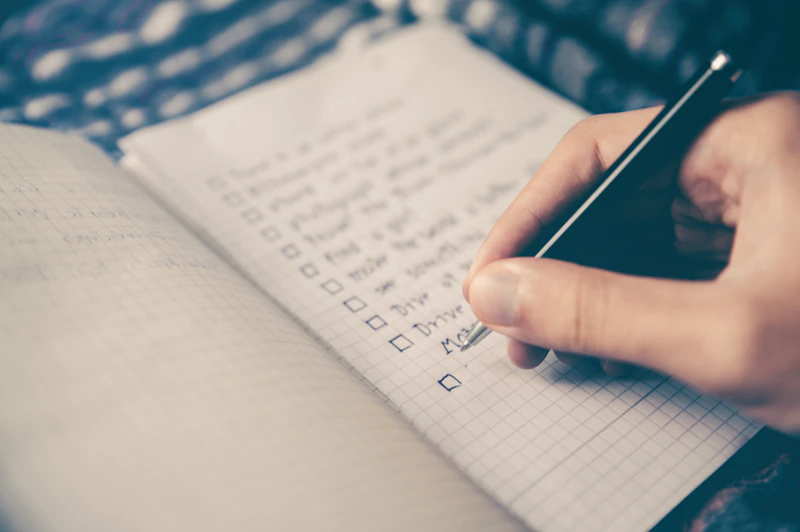
A simple garden journal transforms your experience. Note when you planted, when you harvested, what preparation methods you used, and what effects you noticed. This builds your practical knowledge faster than any book.
The Medicinal Garden Kit
If you want a curated starting point, the Medicinal Garden Kit contains seeds for 10 essential medicinal herbs that work well together and cover most common wellness needs: Chamomile, Calendula, Yarrow, Lavender, Echinacea, Feverfew, Marshmallow, Chicory, Evening Primrose, and California Poppy.
These herbs were specifically chosen for their:
- Ease of cultivation (beginner-friendly)
- Proven traditional uses
- Safety profiles
- Diverse applications (covering sleep, pain, immunity, digestion, skin)
- Climate adaptability (most grow in zones 3-9)
Helpful Resources
Herb Profiles
Detailed information about specific medicinal herbs: growing conditions, harvest timing, traditional uses, preparation methods, recipes, safety, and more.
Browse Herb Profiles →Healing Garden Guide
Comprehensive guide to harvesting, drying, and storing medicinal herbs for maximum potency. Covers optimal timing, preservation methods, and long-term storage.
Read the Guide →Home Gardening Tips
Learn how to grow medicinal herbs in any space—balconies, patios, containers, or traditional gardens. Soil preparation, organic practices, and seasonal care.
Explore Gardening →Safe Practices
Understand fertilizer safety, organic pest control, proper herb identification, and contraindications. Learn what "organic" really means and how to garden safely.
Learn About Safety →Join Our Natural Living Community
Get herbal recipes, seasonal growing tips, and wellness guidance delivered to your inbox. No spam, just practical wisdom for your medicinal plant journey.