
Medicinal Plants & Everyday Wellness
Explore how medicinal herbs have been used traditionally for everyday health support, what they can realistically do, and why more people are growing their own home herb garden.
What Are Medicinal Plants?
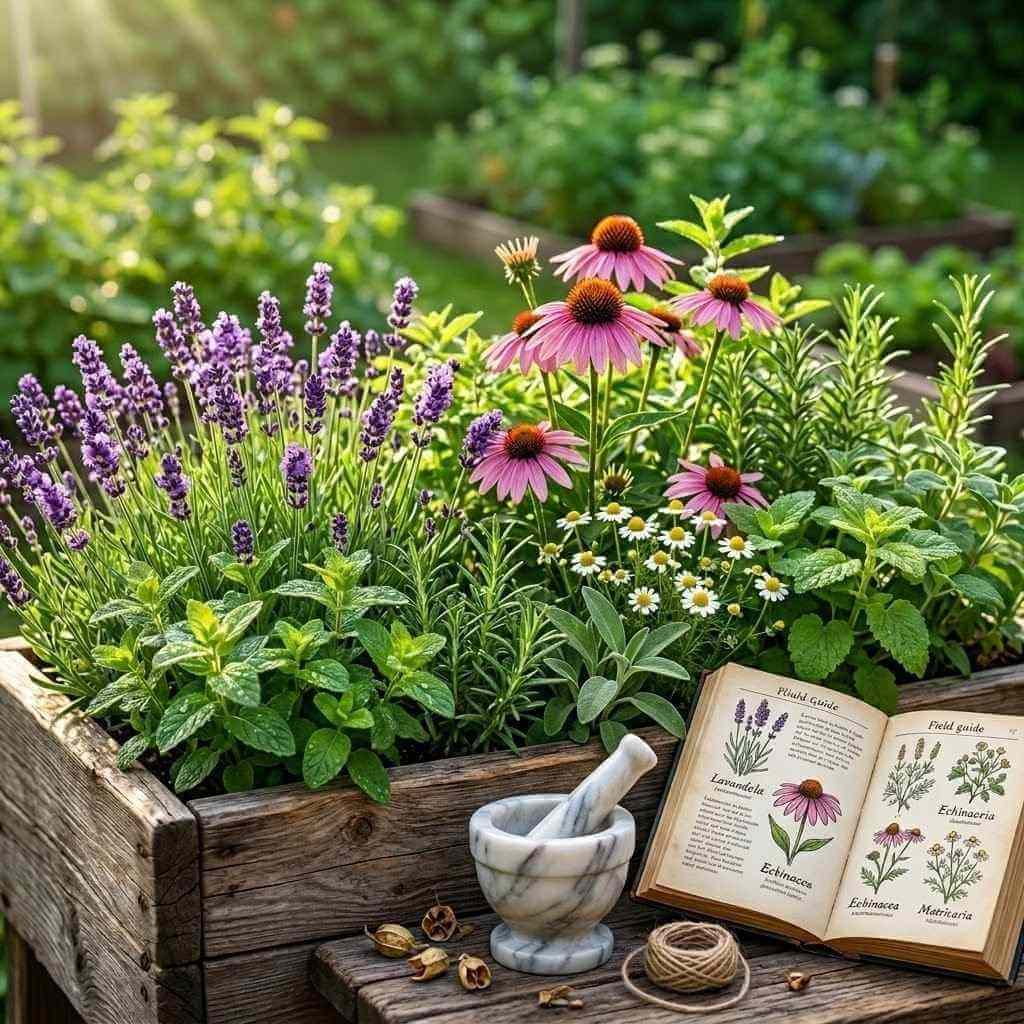
Medicinal plants are plants whose leaves, flowers, roots, seeds, or bark contain chemical compounds that people have traditionally used to support health. They've been central to human healthcare across virtually every culture for thousands of years — long before modern pharmaceuticals existed.
Many of today's medicines are either derived from plant compounds or were initially inspired by them. Aspirin has roots in willow bark. Morphine comes from the poppy. Digoxin comes from foxglove. Understanding medicinal plants is, in many ways, understanding the original pharmacopoeia.
These plants work through their natural chemistry — essential oils, alkaloids, flavonoids, tannins, polysaccharides, and other active constituents that interact with the body in ways that researchers continue to study and document.
⚠️ Important: What Medicinal Plants Are Not
Medicinal herbs are not replacements for medical treatment. They are complementary tools that people use alongside — not instead of — appropriate healthcare. They can support everyday wellness, but they do not cure diseases or substitute for professional medical care.
Every herb on this site includes a dedicated safety section covering contraindications, drug interactions, and specific warnings. Please read these sections before using any herb for the first time.
How People Prepare and Use Them
The preparation method matters. Different plant parts, different health goals, and different circumstances call for different approaches. Below are the most common methods — from the simplest (a cup of tea) to more involved preparations (tinctures, salves).
Infusion (Tea)
Steep dried or fresh leaves and flowers in boiling water for 5–15 minutes. The simplest and most accessible preparation method.
Best for: Leaves and flowers — chamomile, lavender, mint, lemon balmDecoction
Simmer roots, bark, or seeds in water for 15–30 minutes to extract tougher constituents that don't release well in simple steeping.
Best for: Roots — marshmallow, chicory, echinacea rootTincture
Plant material extracted in alcohol or vegetable glycerin over several weeks. Produces a concentrated liquid with long shelf life.
Best for: Most herbs — especially those with low water-soluble constituentsInfused Oil
Dried herbs steeped in a carrier oil (olive, coconut, almond) over weeks or gently heated. The base for salves, balms, and topical preparations.
Best for: Calendula, lavender, chamomile — topical useSalve / Balm
Infused oil combined with beeswax to create a semi-solid topical preparation for skin conditions, wounds, and localised pain relief.
Best for: Skin healing — calendula, comfrey, plantain, lavenderPoultice
Fresh or dried herbs applied directly to skin — crushed, chewed, or softened with water. The oldest and most immediate form of plant medicine.
Best for: Fresh topical use — plantain, yarrow, calendulaCapsules
Powdered dried herbs enclosed in a gelatin or vegetarian capsule for convenient, measured doses without the taste of raw herb. A practical format for herbs with a strong or unpleasant flavour.
Best for: Echinacea, turmeric, marshmallow root, ashwagandhaSteam Inhalation
Dried or fresh herbs added to a bowl of hot water. Leaning over the bowl with a towel draped over the head allows aromatic steam to be inhaled directly into the nasal passages and respiratory tract.
Best for: Respiratory support — thyme, eucalyptus, peppermint, rosemary📖 Complete Harvesting & Preservation Guide
For detailed guidance on harvesting timing, drying methods, tincture-making, salve preparation, and long-term storage of medicinal herbs — see our comprehensive reference: The Healing Garden Guide: Harvesting & Preserving Medicinal Herbs →
Why Grow Your Own Medicinal Herbs?
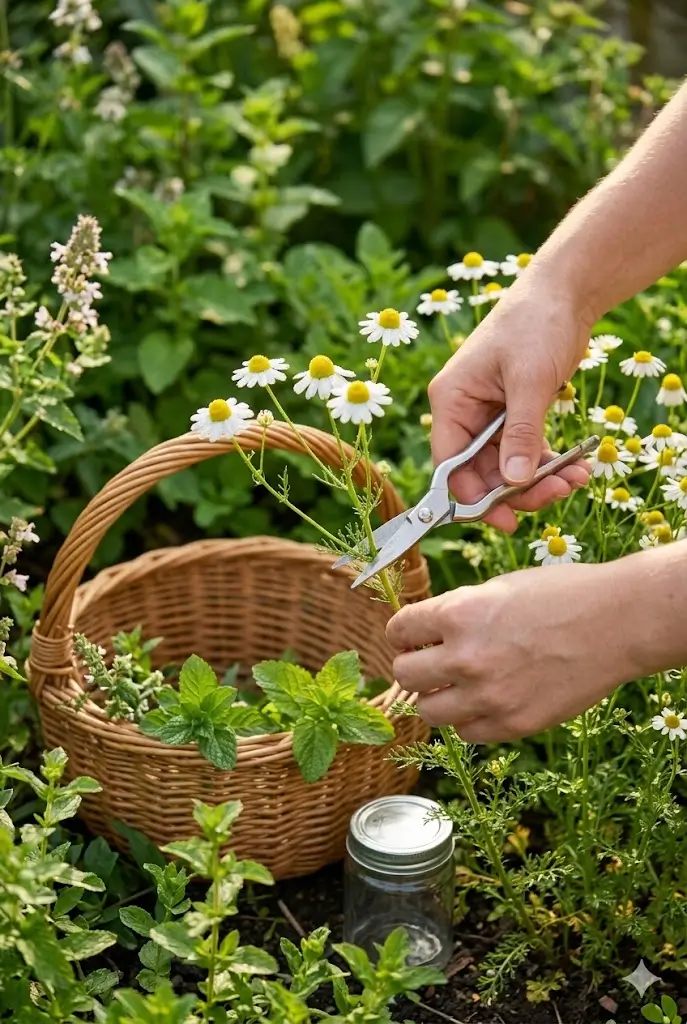
Fresh Herbs Are Meaningfully Different
Dried herbs sold commercially can remain in storage or transit for months—and sometimes longer. During that time, natural compounds such as essential oils, flavonoids, and other active plant constituents may gradually decline when exposed to heat, light, air, and moisture. This can affect aroma, flavour, and overall quality.
When you harvest from a plant you’ve grown yourself—at the right time of day, in the proper season, and from a healthy specimen—you’re working with herbs at their freshest and most vibrant stage. Freshly picked herbs often offer stronger aroma, richer colour, fuller flavour, and a more distinctive character than older dried commercial herbs.
Growing and harvesting your own herbs also gives you control over how they are grown, handled, and stored. For many gardeners, the difference in freshness, quality, and connection to the plant is immediately noticeable.
You Know Exactly What's In It
When you grow your own medicinal herbs, you control the entire chain — the soil, the water, the inputs, the harvest conditions. No pesticides, no irradiation, no mystery additives. For herbs you're consuming regularly for health purposes, knowing exactly what went into them is genuinely significant.
Commercial herbal products vary considerably in quality, potency, and purity. Some herbs — echinacea in particular — are among the most adulterated supplements on the market. Growing your own eliminates this uncertainty entirely.
Accessibility and Self-Reliance
A home herb garden becomes your accessible, always-available resource. Chamomile for a difficult night's sleep. Lavender for stress relief. Calendula for a minor skin irritation. These herbs, growing a few metres from your door, are immediately accessible in a way that a pharmacy or health food shop is not at 10pm.
Growing medicinal herbs connects you to ancestral knowledge while building modern self-reliance. You develop practical skills in cultivation, identification, harvesting, preservation, and preparation. These are valuable, empowering abilities that serve you for life.
Cost Savings
Many people spend a considerable amount each year on everyday health products, although costs vary depending on individual needs. Growing your own herbs can be a practical and budget-friendly addition to your routine. A single packet of seeds can provide multiple harvests over time, and plants like chamomile or calendula are commonly used in simple home preparations. For beginners, curated herb kits offer a convenient way to get started with a selection of plants that can be grown and used gradually as part of a home garden.
🌱 Growing Medicinal Herbs: Techniques and Methods
Container growing, soil preparation, seasonal care, and specific cultivation guidance for each herb are covered in our home gardening section. The growing techniques apply whether you're in a small apartment in Mumbai, a balcony in Toronto, or a backyard in Brisbane: Home Gardening for Health & Self-Reliance →
Where Can You Grow Medicinal Herbs?
You don't need a garden. Most medicinal herbs adapt readily to small spaces — a sunny windowsill, a balcony, or a kitchen corner is genuinely enough to start.
| Space | What Grows Well | Key Consideration | Best Starter Herbs |
|---|---|---|---|
| 🪟 Windowsill 4–6 hours sunlight |
Compact herbs that don't need full sun — mints, lemon balm, holy basil, chives, aloe | Drainage is critical — pots must have holes. Use saucers but empty them after watering. | Mint, Holy Basil (Tulsi), Aloe, Lemon Balm |
| 🌿 Kitchen Garden Container or small bed |
Culinary-medicinal herbs used fresh daily — curry leaf, coriander, ginger, tulsi, fenugreek | Harvest little and often — regular harvesting encourages new growth and keeps plants compact. | Tulsi, Coriander, Curry Leaf, Mint, Ginger |
| 🌞 Balcony / Patio 6+ hours sunlight |
Full-sun herbs — lavender, chamomile, echinacea, calendula, feverfew, yarrow | Wind and reflected heat can stress plants. Position taller plants to shelter smaller ones. Water more frequently than in-ground plants. | Lavender, Chamomile, Calendula, Echinacea |
| 🏡 Backyard / Garden Bed Unrestricted root growth |
Larger perennials that return year after year — echinacea, marshmallow, chicory, evening primrose, yarrow | Root-harvested herbs (chicory, marshmallow, echinacea root) need at least 2–3 years of growth before harvesting roots. Plan for this from the start. | Echinacea, Marshmallow, Chicory, Yarrow, Evening Primrose |
💡 Starting on a Balcony or Terrace?
Balconies, terraces, patios, and rooftops can be excellent spaces for growing herbs and vegetables. Areas that receive 5–6 hours of daily sunlight are ideal for many beginner-friendly plants. Use lightweight containers with good drainage, a quality potting mix, and position taller pots at the back or corners to break wind for smaller plants. Harvest frequently — regular cutting encourages bushier growth and prevents flowering (which often reduces leaf potency in culinary-medicinal herbs like basil and mint).
For detailed container setup, soil preparation, and small-space gardening techniques, see our Home Gardening for Health & Self-Reliance →
Kitchen Garden Medicinal Herbs
In South Asian, Southeast Asian, and many global kitchen traditions, the boundary between cooking and medicine barely exists. These herbs are grown within arm's reach, used daily, and carry centuries of practical medicinal knowledge.
| Herb | Traditional Medicinal Uses | Growing Notes | Common Mistake |
|---|---|---|---|
|
Holy Basil (Tulsi) Ocimum tenuiflorum |
Adaptogen — traditionally used for stress response, respiratory support, mild fever, and immune resilience. Considered sacred in many Hindu households. Used in teas, kadha (herbal decoction), and raw. | Warm climate herb — thrives in heat and sun. Needs well-drained soil. Pinch flower buds regularly to keep leaves potent. Grows well in pots indoors in cooler climates. | Letting it bolt (flower) too early — once it flowers heavily, leaf production drops and medicinal quality declines. Pinch flowers as they appear. |
|
Curry Leaf Murraya koenigii |
Traditional use in Ayurveda for digestive support, blood sugar management, and hair health. The leaves contain carbazole alkaloids with antioxidant properties documented in research. | Slow-growing perennial tree — can be kept compact in a large pot. Needs warmth and full sun. Water regularly but don't waterlog. Will lose leaves in cold winters if outdoors in temperate climates. | Overwatering — curry leaf is sensitive to root rot. Allow the top 2–3 cm of soil to dry before watering again. |
|
Coriander / Cilantro Coriandrum sativum |
Traditionally used for digestive discomfort, as a mild carminative, and in Ayurvedic cooling preparations. Seeds are used differently from leaves — the seeds are warming; the leaves are considered cooling. | Fast-growing annual — bolts quickly in heat. Grow in cooler months or in partial shade. Sow seeds directly (doesn't transplant well). Succession sow every 3–4 weeks for continuous harvest. | Growing in summer heat — coriander bolts rapidly and goes to seed. Grow in autumn, winter, or early spring in warm climates, or in partial shade during summer. |
|
Mint Mentha spp. |
One of the most widely used medicinal herbs globally. Traditionally used for digestive complaints, nausea, headaches, and respiratory congestion. Peppermint oil is among the most studied herbal preparations. | Vigorous grower — always grow in containers to prevent it from taking over the garden. Prefers moist soil and partial shade. Cut back hard after flowering to encourage fresh leaf growth. | Planting in open ground — mint spreads aggressively via underground runners and will overtake other plants. Always keep in a pot, even when transplanting to a garden bed. |
|
Ginger Zingiber officinale |
One of the best-studied medicinal plants globally. Traditional use spans nausea (including morning sickness and chemotherapy-related), digestive support, anti-inflammatory applications, and warming preparations for respiratory illness. | Grow from fresh rhizome (supermarket ginger works). Plant in spring in a large, deep pot with rich soil. Needs warmth and humidity — partial shade in hot climates. Harvest after the leaves die back in autumn. | Harvesting too early — ginger rhizomes need a full season (8–10 months) to develop. Patience is rewarded with a larger, more potent harvest in autumn. |
🌿 A Note on Global Herb Traditions
The herbs above are everyday plants in South Asian, East Asian, and many global kitchen traditions — not exotic or specialised. If you grew up in or around Indian, Sri Lankan, Indonesian, or similar food cultures, you likely already know these plants from the kitchen. Growing them at home means having a fresh, chemical-free supply of plants your family has trusted for generations.
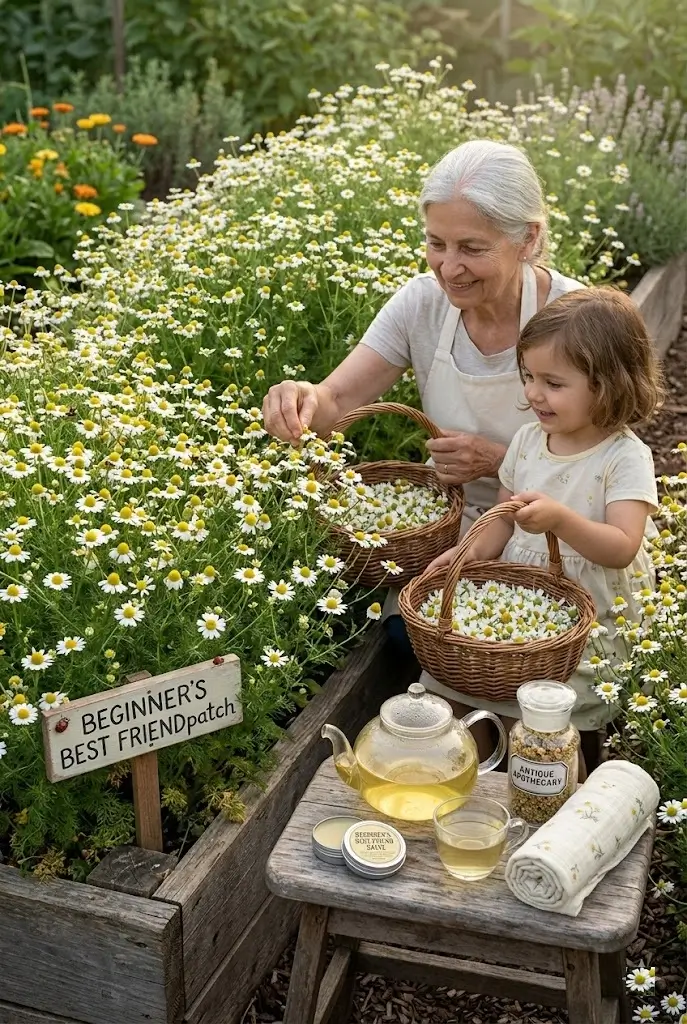
Featured Herb: Chamomile
The Beginner's Best Friend
Chamomile (Matricaria chamomilla) has one of the longest documented records of human medicinal use of any plant — used across ancient Egypt, Greece, Rome, and virtually every herbal tradition since.
It is one of the safest and most versatile herbs you can grow at home. Forgiving to cultivate, high-yielding, and safe for children and the elderly, it's the most natural starting point for any home herb garden.
Traditionally used for: Sleep support, nervous stomach, digestive discomfort, mild anxiety, menstrual cramps, skin irritation, and topical wound care.
Note for those with ragweed or daisy-family allergies: Chamomile is in the Asteraceae (daisy) family. If you have known sensitivities to this plant family, start with a small amount and observe.
Full Chamomile Profile: Growing, Harvesting, Uses & Safety →4 Medicinal Herbs for Your Home Garden
These herbs are widely grown for home use because they are beginner-friendly, have well-documented traditional uses, and cover a broad range of everyday wellness needs.
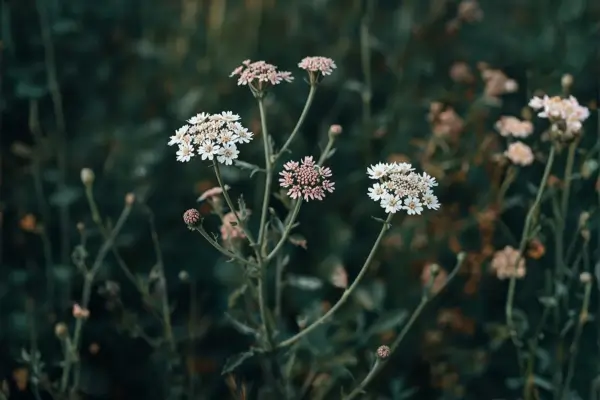
Yarrow
Wound & FeverTraditional use spans wound healing, fever management, and digestive complaints. A companion planting favourite that attracts beneficial insects while serving as an emergency first-aid herb.
Full Profile →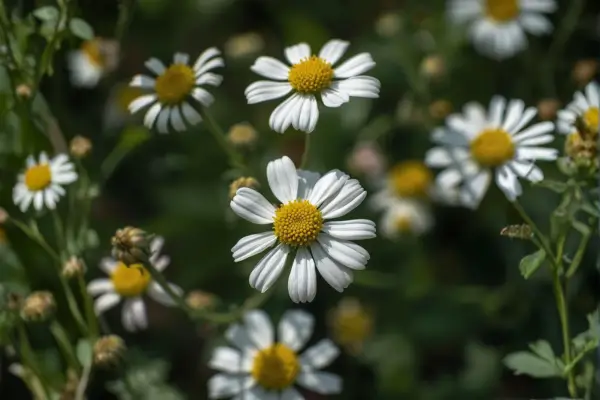
Feverfew
Migraine PreventionBest known for preventive (not acute) use in migraine and headache management. Parthenolide is the active constituent. Pregnancy is a contraindication — see full profile.
Full Profile →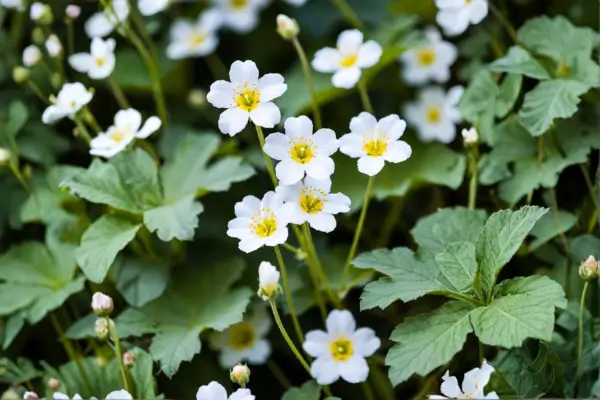
Marshmallow
Digestive & RespiratoryThe mucilage-rich root traditionally soothes the digestive tract, throat irritation, and dry coughs. A cold-water infusion releases mucilage more effectively than hot water.
Full Profile →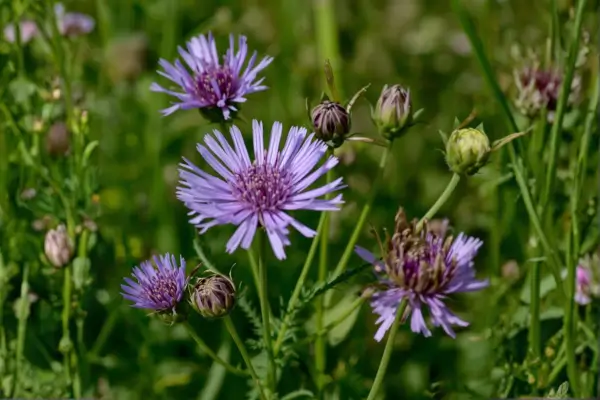
Chicory
Digestive & LiverThe root contains inulin — a prebiotic fibre that feeds beneficial gut bacteria. Traditionally used to support digestion, liver function, and as a coffee alternative.
Full Profile →What People Use Medicinal Herbs For
Common wellness areas and the herbs people have traditionally turned to for support. These are traditional uses — not medical claims. Consult a healthcare provider for any serious or chronic health concern.
Sleep & Relaxation
Herbs traditionally used to support restful sleep, ease the transition into sleep, and calm a racing mind.
Digestive Support
Herbs with traditional use in supporting digestion, soothing the gut lining, and easing discomfort after meals.
Immune Support
Herbs traditionally used to support the body's natural immune response — particularly at the onset of illness or during seasonal transitions.
Pain & Inflammation
Herbs with traditional anti-inflammatory or analgesic uses — most effective in topical applications or for mild, recurring discomfort.
Stress & Anxiety
Herbs referred to as adaptogens or nervines — traditionally used to help the body manage stress responses and support a calmer nervous system.
Skin Health
Herbs traditionally prepared as infused oils, salves, and compresses for skin healing, irritation relief, and general skin maintenance.
Wound Care
Herbs with traditional first-aid applications — used topically on minor cuts, bruises, burns, and skin damage to support healing and reduce infection risk.
Respiratory Support
Herbs traditionally used in teas and steam inhalations to soothe the throat, ease congestion, and support respiratory comfort during illness.
⚠️ Important Reminder
The herb uses listed above reflect traditional and historical practice, not medical claims. If you have a serious, chronic, or undiagnosed health condition, please consult a qualified healthcare provider before using medicinal herbs. Herbs can interact with prescription medications and are not appropriate for everyone.
Safety Matters: What You Need to Know
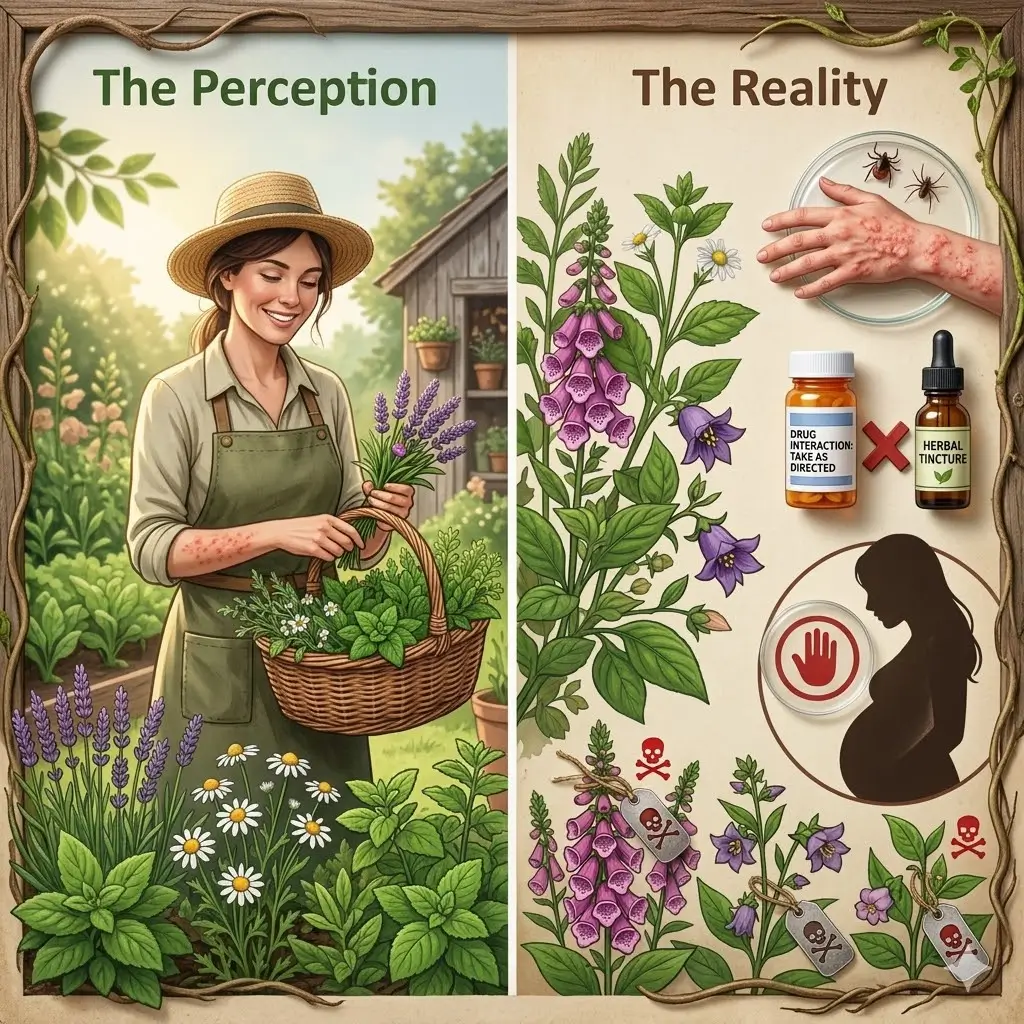
'Natural' Does Not Mean 'Safe for Everyone'
This is the most important principle in medicinal plant use. Some of the most potent toxins on Earth are completely natural. Many safe herbs become problematic in certain circumstances — during pregnancy, when combined with medications, or in people with specific health conditions.
Every herb has contraindications — situations where it should not be used. Every herb has the potential to cause allergic reactions in some people. Many interact with pharmaceutical medications in clinically significant ways.
Understanding safety is not about fear — it's about using herbs intelligently, getting the benefit they offer while avoiding avoidable harm.
Before Using Any Medicinal Herb
- ✓ Research contraindications and drug interactions — every herb profile on this site includes a dedicated safety section. Read it before using any herb for the first time.
- ✓ Consult your healthcare provider if you take any prescription medications, have a chronic health condition, or are planning to use herbs for an ongoing health concern.
- ✓ Start with a small amount to test for allergic reactions — even safe, well-regarded herbs can cause reactions in individuals with sensitivities.
- ✓ Use only herbs you can identify with certainty — many medicinal plants have look-alikes that are toxic. Always confirm plant identity from multiple reliable sources.
- ✓ Follow sensible dosage guidance — more is not better. Excessive amounts of even safe herbs can cause harm. Each herb profile includes appropriate dosage notes.
- ✗ Do not replace prescribed medications with herbal alternatives without medical supervision — this includes blood pressure, diabetes, thyroid, and psychiatric medications.
- ✗ Do not use during pregnancy or breastfeeding without specific medical guidance — many herbs affect hormones, uterine activity, or pass through breast milk.
- ✗ Do not use within 2 weeks of scheduled surgery — several common herbs affect blood clotting, blood pressure, and anaesthesia interaction.
When Extra Caution Is Needed
| Situation | Why It Matters | Guidance |
|---|---|---|
| Pregnancy | Many herbs stimulate uterine contractions, affect hormone levels, or cross the placenta | Consult an obstetrician or qualified herbalist. Only a few herbs are considered safe throughout pregnancy. |
| Breastfeeding | Active compounds pass into breast milk. Some herbs suppress milk production; others may harm infant | Consult healthcare provider before using any medicinal herb while breastfeeding. |
| Children under 12 | Dosage requirements differ significantly. Some adult herbs are unsafe for children. | Use only with appropriate professional guidance. A few herbs — chamomile, calendula — have good safety records for children in appropriate preparations. |
| Blood thinners (warfarin, aspirin) | Feverfew, ginger, garlic, and several other herbs increase bleeding risk | Discuss all herbal use with your prescribing physician. This interaction can be clinically significant. |
| Immunosuppressants | Echinacea and other immune-stimulating herbs may counteract these medications | Do not use immune-stimulating herbs if you take immunosuppressant drugs without medical supervision. |
| Sedatives / Antidepressants | Calming herbs (California poppy, chamomile, lavender) may enhance sedative effects | Use cautiously. Consult your prescribing physician, especially with sedative medications or SSRIs. |
| Liver or Kidney Disease | Many herbs are metabolised by the liver or excreted by the kidneys. Organ impairment changes how herbs behave in the body. | Work with a knowledgeable healthcare provider before using any herb medicinally. |
🚨 Stop Use Immediately If You Notice
Skin rash, hives, or itching after using an herb · Difficulty breathing or tightness in the chest · Nausea, vomiting, or abdominal pain that seems related to herbal use · Dizziness, rapid heartbeat, or unusual symptoms after starting a new herb.
Seek medical attention if symptoms are severe or persist.
🛡️ Safe Inputs & Garden Safety
For guidance on growing herbs safely — including soil safety, fertiliser use, organic pest control, and avoiding chemical contamination of herbs you will use medicinally — see our dedicated safety section: Safe Inputs & Natural Practices →
Getting Started with Medicinal Herbs
Keep Record .
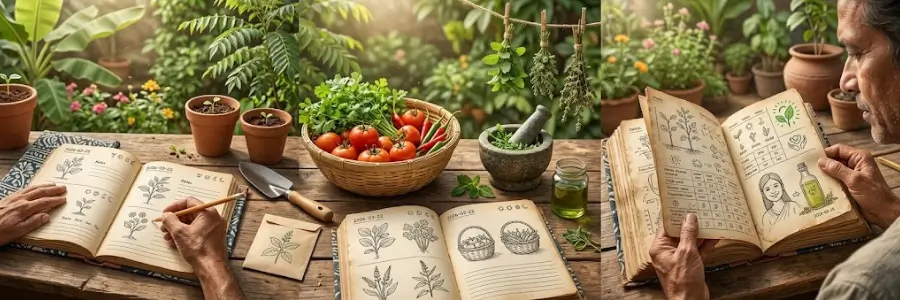
Nurture the habit of keeping record of whatever you do every day. Today’s notes bring tomorrow’s growth.
Start Small. Go Deep.
The most common beginner mistake is trying to grow and learn 15 different herbs at once. The result is shallow knowledge of many and deep knowledge of none.
Choose 3–5 herbs that address your most relevant everyday wellness needs. Learn those herbs well — their growing habits, harvest timing, preparation methods, and safety profiles. Spend at least one full season observing how each plant responds to your conditions.
Chamomile, calendula, and lavender are an excellent starter trio — easy to grow in most climates, safe for most adults, and between them covering sleep support, skin health, digestive comfort, and stress relief.
Step 1: Choose Your Herbs
Select 3–5 herbs that match your climate and your most relevant wellness needs. Read each herb's full profile before planting — understanding what you're growing before you grow it makes everything easier.
Browse Herb Profiles →Step 2: Set Up Your Growing Space
Most medicinal herbs grow beautifully in containers — a sunny balcony, windowsill, or small garden space is all you need to start. Understand the light, water, and soil basics before you plant.
Growing Guide →Step 3: Learn Before You Use
Before using any herb, read its safety section. Understand the contraindications, the recommended preparation methods, and what to watch for. This step takes minutes and matters enormously.
Herb Safety Profiles →Step 4: Start with Tea
A simple infusion — dried or fresh herbs in hot water for 5–15 minutes — is the best starting point. It's the most forgiving preparation method, produces immediate results, and teaches you what each herb tastes and smells like at its most basic.
Preparation Guide →Step 5: Keep Records
A garden journal transforms your experience. Note what you planted, when you harvested, what preparation method you used, and what you noticed. This record builds practical knowledge faster than any amount of reading.
Harvesting Journal Tips →Step 6: Expand Gradually
After one full season with your starter herbs, add one or two new plants. Each season, your observation skills, growing confidence, and preparation knowledge deepen — and each new herb you add builds on what you already know.
Next Herbs to Try →🌿 The Medicinal Garden Kit: A Curated Starting Point
If you want to begin with a complete, thoughtfully assembled selection, the Medicinal Garden Kit contains seeds for the 10 essential herbs featured on this page — Chamomile, Calendula, Yarrow, Lavender, Echinacea, Feverfew, Marshmallow, Chicory, Evening Primrose, and California Poppy.
These 10 herbs were chosen for their ease of cultivation, safety profiles, diverse applications (sleep, immunity, digestion, skin, pain, stress), and climate adaptability. The kit includes 4,818 non-GMO seeds packaged in the US, along with a free copy of the Herbal Medicinal Guide: From Seeds to Remedies.
Disclosure: This is an affiliate link. If you purchase through this link, we may earn a small commission at no extra cost to you. We only recommend products we genuinely believe serve our readers.
Growing, Harvesting & Using Medicinal Herbs
Where to Start Growing
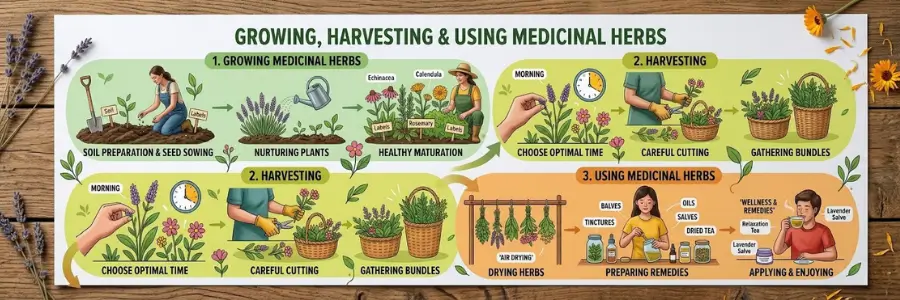
Most medicinal herbs are surprisingly easy to grow — even for complete beginners. Chamomile, calendula, lavender, and echinacea thrive in containers on balconies or patios. The key is understanding each plant's basic needs: sunlight hours, watering frequency, soil type, and climate compatibility.
Detailed growing guidance for each herb is in its individual profile.
For general techniques — container growing, soil preparation, raised beds, and organic practices — see our Home Gardening for Health & Self-Reliance →
Harvesting for Maximum Potency
When you harvest matters as much as how. Essential oils and active compounds are most concentrated in the mid-morning, after dew has dried but before afternoon heat dissipates volatile compounds. Different plant parts have different optimal windows:
- Leaves: Before the plant flowers, when green and vibrant
- Flowers: Just as they fully open, at peak bloom
- Roots: Early autumn or early spring, when the plant is dormant
- Seeds: When mature but before they naturally drop from the plant
Basic Preparation
The simplest starting point is tea — pour boiling water over dried or fresh leaves and flowers, steep for 5–15 minutes, strain, and drink. For roots and bark, a decoction (simmering for 15–30 minutes) extracts tougher constituents more effectively. As confidence grows, tinctures, infused oils, and salves become natural next steps.
📖 Complete Harvesting & Preservation Handbook
For comprehensive guidance — optimal harvest timing by plant part, drying methods, tincture-making, salve preparation, storage conditions, and shelf-life guidance — see the full reference handbook: Herbal Harvest & Preservation Handbook →
Fresh vs Dried Herbs: What's the Difference?
Both forms have genuine value — but they behave differently, suit different preparations, and have different shelf lives. Understanding which to use when is a practical skill every home herbalist develops early.
| Aspect | 🌱 Fresh Herbs | 🍃 Dried Herbs |
|---|---|---|
| Potency | Generally milder — water content dilutes active compounds. Some constituents (volatile oils) are highest immediately post-harvest. | More concentrated — water has been removed, so active compounds are denser per gram. Roughly 3× the potency of fresh by weight for most herbs. |
| Best used for | Teas from garden-fresh leaves and flowers, poultices, fresh tinctures, cooking, steam inhalation, fresh juices | Teas, decoctions, capsules, long-infused oils and tinctures, winter preparations when fresh isn't available |
| Shelf life | Days to weeks in the refrigerator (leaves, stems). Roots keep slightly longer. Highly perishable. | Flowers and leaves: 12–18 months. Roots: 2–3 years. Seeds: up to 3 years. Properly stored in airtight dark glass. |
| Preparation ratio | Use roughly 3× the amount of fresh herb compared to dried in a recipe (e.g. 3 tablespoons fresh = 1 tablespoon dried) | Use the smaller amount specified in most herbal recipes — they are typically written for dried herb. |
| Beginners | Great starting point — immediate, gentle, easy to use. Less risk of over-concentration. | More practical for year-round use, easier to store, and consistent in quality once properly dried. |
| Exceptions | Some herbs — like St John's Wort and valerian — are traditionally preferred fresh for tincture-making, as drying affects specific constituents. | Roots (marshmallow, chicory, echinacea) often work better dried and decocted than used fresh, as the drying concentrates the relevant compounds. |
💡 Drying Your Own Herbs
If you grow your own, drying at the right moment preserves the most potency. Harvest in mid-morning after the dew dries. Dry in small bundles in a warm, dark, well-ventilated space — or use a food dehydrator at 35–45°C (95–110°F) for faster, more consistent results. Herbs are ready when they snap or crumble cleanly — no flexibility, no moisture.
Full drying and storage guidance — temperatures, timing by plant part, container types, labelling — is in the Herbal Harvest & Preservation Handbook →
Frequently Asked Questions
Helpful Resources
Herb Profiles
Detailed, individual profiles for each medicinal herb — growing conditions, harvest timing, traditional uses, preparation methods, recipes, safety notes, and contraindications. The primary reference for each plant.
Browse All Herb Profiles →Healing Garden Guide
The complete reference for harvesting, drying, and storing medicinal herbs for maximum potency — from optimal harvest timing by plant part to long-term storage methods and shelf-life guidance.
Read the Healing Garden Guide →Home Gardening Guide
Container growing, soil preparation, balcony and small-space techniques, seasonal care, essential tools — everything about growing plants at home, including medicinal herbs.
Explore Growing Techniques →Safe Inputs & Natural Practices
For herbs you intend to use medicinally, how you grow them matters. This guide covers fertiliser safety, organic pest control, soil contamination avoidance, and safe gardening practices for health-conscious growers.
Learn Safe Practices →📋 Medical Disclaimer
All information on this page and throughout this website is provided for educational purposes only. It is not intended to diagnose, treat, cure, or prevent any disease or health condition. Medicinal herbs can have powerful effects and may interact with medications, existing health conditions, or cause allergic reactions in certain individuals.
Always consult a qualified healthcare professional before using any herb medicinally — especially if you are pregnant, breastfeeding, taking prescription medications, have a chronic health condition, or are considering use in children. Never disregard professional medical advice or delay seeking it based on information found on this site.
Join Our Natural Living Community
Herbal growing guides, seasonal harvest tips, preparation methods, and wellness insights delivered to your inbox. No spam — just practical wisdom for your medicinal plant journey.
- ✔ Herb-of-the-season growing guides
- ✔ Safe preparation methods and recipes
- ✔ Harvest timing reminders
- ✔ Safety updates and new herb profiles
By signing up, you agree to our Privacy Policy. No spam. Unsubscribe anytime.
Ready to Grow Your First Medicinal Herb?
Start with the herb profiles, find your climate-appropriate starting trio, and learn how to grow them in any space — balcony, windowsill, or backyard.